An excerpt from Geauga Lake: Sunrise to Sunset. To purchase and read the rest of the book, find more information here.
Sunday, September 16, 2007, marked the end of the season for Geauga Lake Park. It had been another disappointing year, attendance-wise. Just five days later, on a quiet, otherwise uneventful Friday, September 21, 2007, Cedar Fair announced that starting in 2008, Geauga Lake would operate exclusively as a water park. That announcement effectively ended 119 years of tradition and memories. Nostalgic locals were frustrated, many believing that a more sinister motive was behind the closure of the storied park. There are a few theories circulating about the decision behind what ultimately came of Geauga Lake Park, as well as pending lawsuits – better discussed in future publications – and not all of them are pretty.
In 2007, the fact remained that through multiple ownership changes, numerous attempts to rebrand and reface the park’s image, despite millions of invested dollars and many heated discussions, the park simply no longer drew the crowds that it had in the past. Its final year was the fourth consecutive season of attendance remaining flat at the 700,000 level. According to Dick Kinzel, Cedar Fair CEO, the park needed 1.2 million guests each year just to break even.
Some years were thinner than others, but Geauga Lake had long been the place to go. By the end of the 20th and the start of the 21st Century, this was simply no longer the case. From a profit standpoint, Geauga Lake needed to downsize and take advantage of the niche it had created in the local market.
Lineage of such a niche could be traced back to the middle 1980s when park officials made the decision to expand the park and open “The Wave” and the waterslides. The successful water venture ultimately played a role in the demise of the rest of the park, but most could not have foreseen such a future. The saddest part about the announcement was that it came after the season was over. Many people who had grown up in the park did not have an opportunity to visit one final time before it closed forever.
Cedar Fair ownership made the decision to dismantle completely all attractions on the ride side of the park and evaluate them for future sale. Many of the more modern and popular rides with life still left in them would ultimately be sold to other theme parks around the country, at deep discounts. In their new homes they continued to offer years of fun to youthful riders, although usually under new names. Rides with no market value were scrapped for the price of the raw materials.
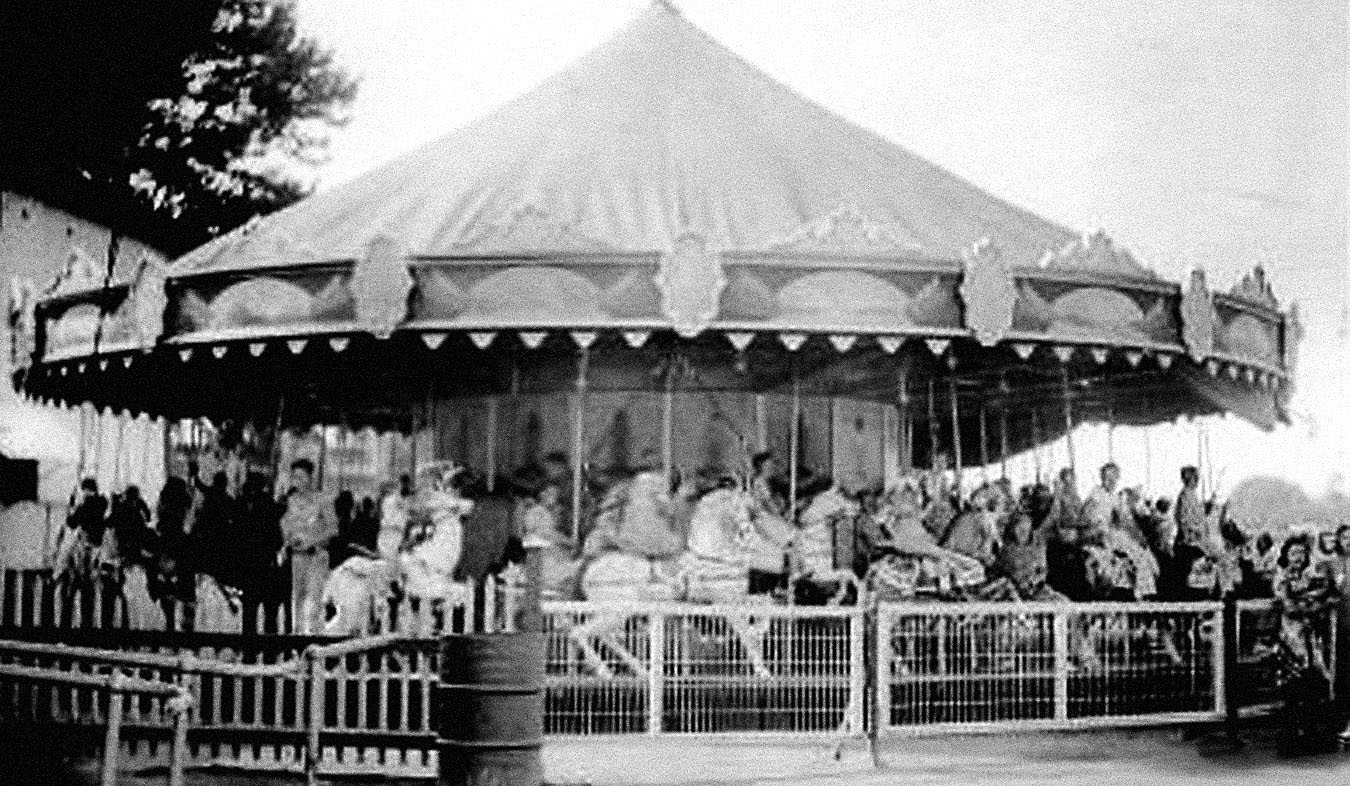
There was much to sort out before final dispositions would be settled, but one thing was certain, the hollow reality that the small-town amusement park in Northeast Ohio, a fixture for every generation since the late 19th century, would never again operate in the same way as it had for over a century. The park that had weathered the Great Depression, two world wars, devastating and destructive fires, cyclones, and numerous ownership changes was unable to survive under the rubric of the new millennium’s business practices.
As the 2007 season came and went, seemingly faster than any other had in recent Below is a sample of where some of those rides that once resided in the confines of Geauga Lake were sent:
The “Dominator,” “Black Squid,” “El Dorado,” and “Americana” were relocated to Kings Dominion.
The “Texas Twister” was relocated to California’s Great America.
“Shipwreck Falls” was relocated to Celebration City.
The “YoYo” was relocated to Carrowinds.
“Thunderhawk” was relocated to Michigan’s Adventure.
Many other attractions made trips to other parks as well, often being refurbished, rebranded, and reopened under new names, leaving them virtually unrecognizable as a piece of Geauga Lake’s legacy. Those that could not be sold and/or relocated were sent to the scrap yard. It was a sad and brutal fate for the once-popular fixtures, but there was little other choice to be made.
Ownership wasted no time attempting to unload the land. Cedar Fair commissioned the Cleveland real estate firm of Ostendorf-Morris in October to sell 500 acres of the land which had housed the ride side of the defunct theme park. The company hoped that a deal could be achieved by early 2008. All energy and investments would go toward making Geauga Lake’s Wildwater Kingdom the focus of the owner’s future efforts. While some bids were received, they came in at less than Cedar Fair was willing to accept, and so the property remained on Cedar Fair’s books.
Cedar Fair, of course, recognized the nostalgic impact that Geauga Lake had locally, and on June 16 and 17, 2008, ownership brought in an auction company and opened the park doors to the public one last time. It was an opportunity to purchase nearly anything that remained in the park. All items were fair game, from small buildings to the most basic souvenir key chains. Everything had to go and was sold in that timeframe. Though a lot of the park was already being dismantled at this point, some visitors were able to at least walk the paved paths in search of items to buy or to retrace the footsteps of their youth one final time before the gates would be closed forever. Many visitors went to the auction for the sole purpose of saying goodbye to a familiar friend.
To this date, collectors buy and sell items that were purchased at the park from years gone by and dealers sell items that they purchased to nostalgic collectors via websites like eBay. As the years quickly pass and Geauga Lake becomes an ever more distant memory, genuine souvenirs from the 1980s and earlier are becoming more difficult to find. Internet searches for Geauga Lake souvenirs yield little success, and collectors are being forced to rely on yard sales and flea markets to pick up the treasures that were once so readily available.
As time has passed, Geauga Lake’s Wildwater Kingdom has survived, while the ruins of the former amusement park, just across the lake, stand as a reminder of a time gone by. More than seven years have passed since the closure and virtual abandonment of the amusement side of Geauga Lake Park, but still the allure of that landscape is a magnet for many who experienced it. The internet is strewn with photographs of the once-thriving park in its current state, and pictures have documented its rapid decay since its closure. Even those who never had the opportunity to walk through the gates are drawn to the eerie sensation that permeates the ghostly environs of an abandoned amusement park.
Many will ask the question, why did Geauga Lake really close? What went so wrong in the span of a few years that could have led to its downfall? Only a few insiders really know the answers, and any speculation is ultimately just that. Rumors of conspiracies to eliminate competition for Cedar Point fill the blogs on the internet, but others will argue that Cedar Fair would have happily owned and run two profitable amusement parks.
The problem was that Geauga Lake was simply no longer profitable. The real question is why did Geauga Lake become unprofitable? What had changed in the span of 20 or so years that would have led to a popular family destination losing its connection with local residents? No one can definitively answer that question, but one must consider the fact that Geauga Lake simply outgrew itself. Perhaps years of ambition to get bigger and better simply plateaued, and the theme park essentially lost its identity. And along the way, perhaps it alienated itself from local residents.
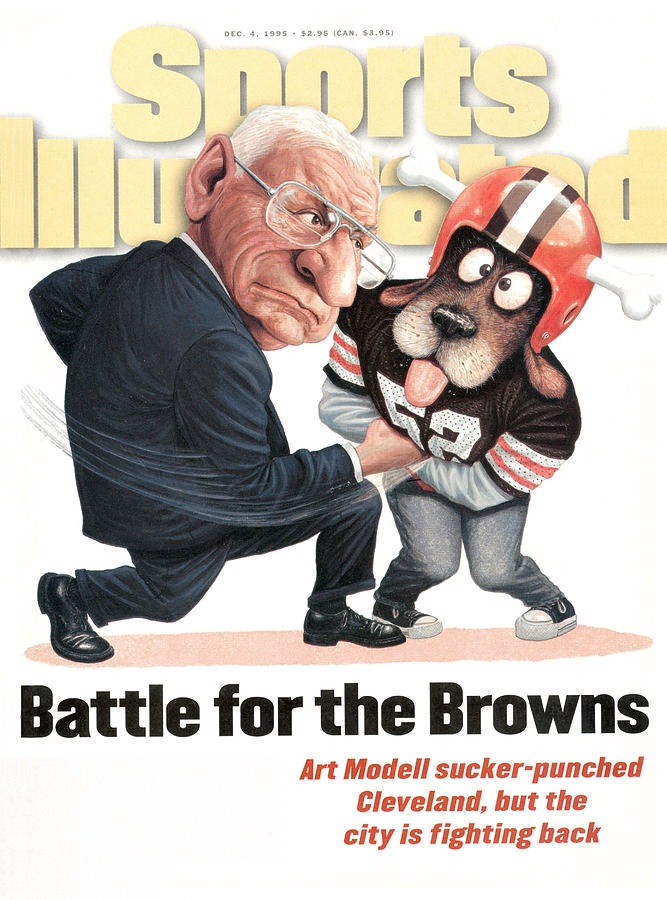
Northeast Ohioans are suckers for nostalgia. They love their sports teams and traditions, and they fight to preserve those parts of their culture that define who they are. Northeast Ohio is an area that lost its football team, but refused to take that as settled fact. Area sports fans fought to bring back the team name and colors. Geauga Lake, too, was a small part of that local identity and culture, and then it evolved into a seemingly unrecognizable recreation of its former self, transformed by corporate sponsorship. Its owners and managers failed to honor the park’s roots and recognize the essence of its history.
Had Geauga Lake not lost its identity along the way, and had residents known of its impending closure, it seems sure that residents would have fought hard to keep its gates open. That is the way it is in Northeast Ohio. Sadly, Geauga Lake seemed to give up on its local base, which over the years accounted for nearly two thirds of its annual visitors. That core is now left with only memories of days gone by. Geauga Lake had always been there for them, but in the end, there was little left with which to identify, and thus too little to fight for.